Swiss Archaeology in Greece – News from the Field 2026
Director’s foreword
This summer, nearly 120 million people flocked to cinemas to see Christopher Nolan’s Odyssey. The film grossed more than $1.29 billion worldwide. Whether one liked it or not, its success reflects a remarkable enthusiasm for ancient Greece and its mythology, particularly among younger generations. In the United Kingdom, sales of Homer’s Odyssey soared by 1,400% in July, while overall sales were up 96% year-on-year. In the United States, the increase reached 76%. In France, some bookshops sold out, while four times as many paperback copies of the epic were sold in July as in the preceding months. In Switzerland, three books on Greek mythology featured among the fifty bestsellers of the country’s largest bookseller.
At the same time, Greece is experiencing an unprecedented tourism boom. Last year, 38 million people visited Greece, including 800,000 Swiss visitors—nearly one in ten people in the country. Athens alone attracted more than 9 million visitors. The Acropolis topped the list, with over 4.6 million admissions, followed by the Acropolis Museum, with nearly 2 million. Across the country, archaeological sites and museums welcomed more than 20 million visitors and generated over €244 million in revenue. New records are expected in 2026. Greece’s archaeological sites have probably not attracted such large crowds since… Antiquity itself.
Greek archaeology clearly has an audience. But can our discipline turn this enthusiasm into new vocations and lasting curiosity? It is still too early to tell whether this renewed interest will bring more students into our University programmes. It nevertheless highlights how important it is for the Swiss School of Archaeology in Greece (ESAG) to continue providing Swiss universities with a scientific and academic platform in Greece, where teaching, fieldwork and the communication of knowledge can come together.
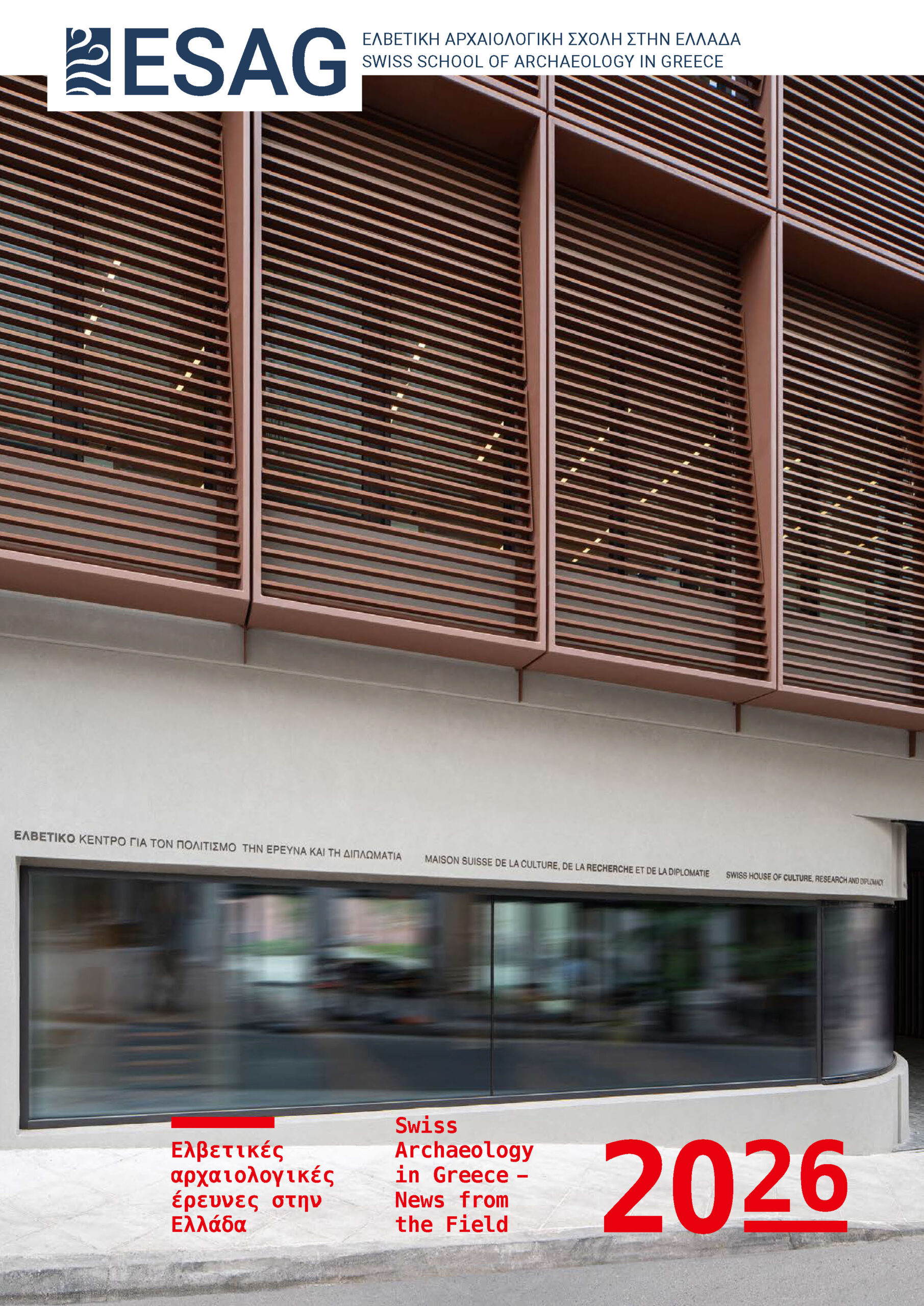
Swiss House of Culture, Research and Diplomacy
Works on the School’s new headquarters, which will be part of the future Swiss Center for Culture, Science, and Diplomacy, are progressing on schedule, with the relocation planned before summer 2026. The building will also house the Swiss Embassy and the Flux Foundation, within a complex featuring an exhibition and performance hall that opens onto a Mediterranean urban garden. Located at the foot of the Acropolis, the new headquarters will provide researchers with an inspiring environment for reflection, collaboration, and exchange, while enhancing the School’s presence in the fields of science and diplomacy.
Training and publication
This commitment begins with training. This year, fieldwork focused on Aegina, where a five-year research programme offers new training opportunities for students from Swiss universities. In Eretria, the ESAG organised no fewer than seven courses covering Geometric, Archaic and Classical pottery, as well as epigraphy, conservation, architecture and scientific drawing. In collaboration with the Ephorate of Antiquities of Euboea, the School also carried out a highly unusual, yet remarkable, excavation, at an altitude of 1.100 metres. On mount Olympos in Euboea, the remains of a peak sanctuary came to light, a site frequented from the 8th c. BC through to the Roman Imperial period. Finally, the third campaign of the Eretria Harbour Project continued the underwater exploration of the remains of the ancient harbour.
Research, however, only fulfils its purpose when its findings are shared. At the beginning of the year, the School published a volume devoted to the sacred landscapes in Greece: S. Verdan – S. Fachard – T. Theurillat (eds.), Reconstructing Greek Sacred Landscapes. Dynamics and Approaches from the Field (Oxford, 2026). Building on the holistic approach developed through the latest research program funded by the Swiss National Science Foundation (SNSF), the volume situates the discoveries at Amarynthos within a broader and renewed interpretative framework.
At a time when ancient Greece is (re)capturing public interest far beyond university lecture halls, it is our responsibility to build bridges between this enthusiasm and research. Excavating, training, publishing, but also opening our doors and sharing knowledge: this is how archaeology can transform a fascination with the past into understanding, and perhaps inspire the next generation of archaeologists.

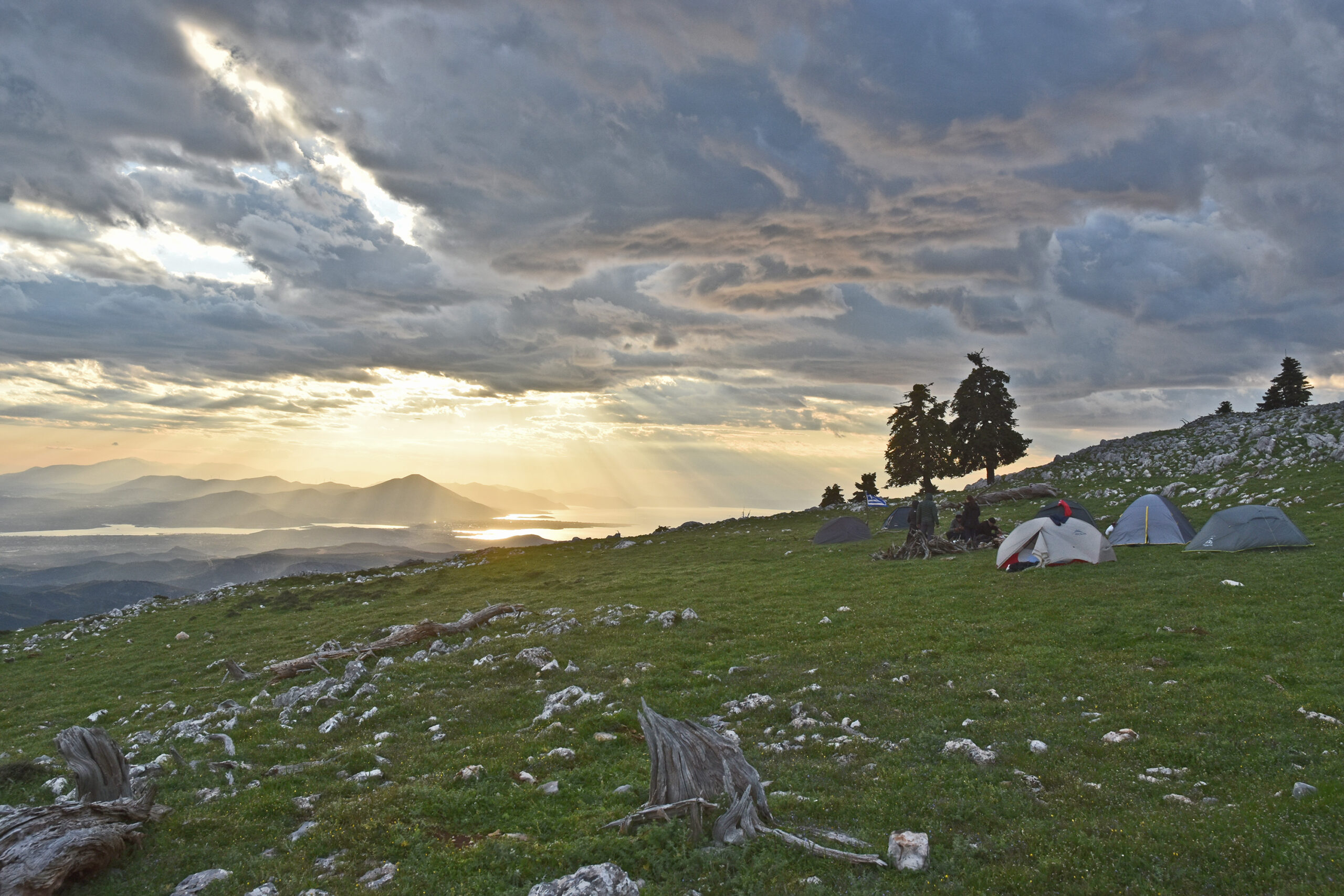
Excavations of top of the Euboean Olympos
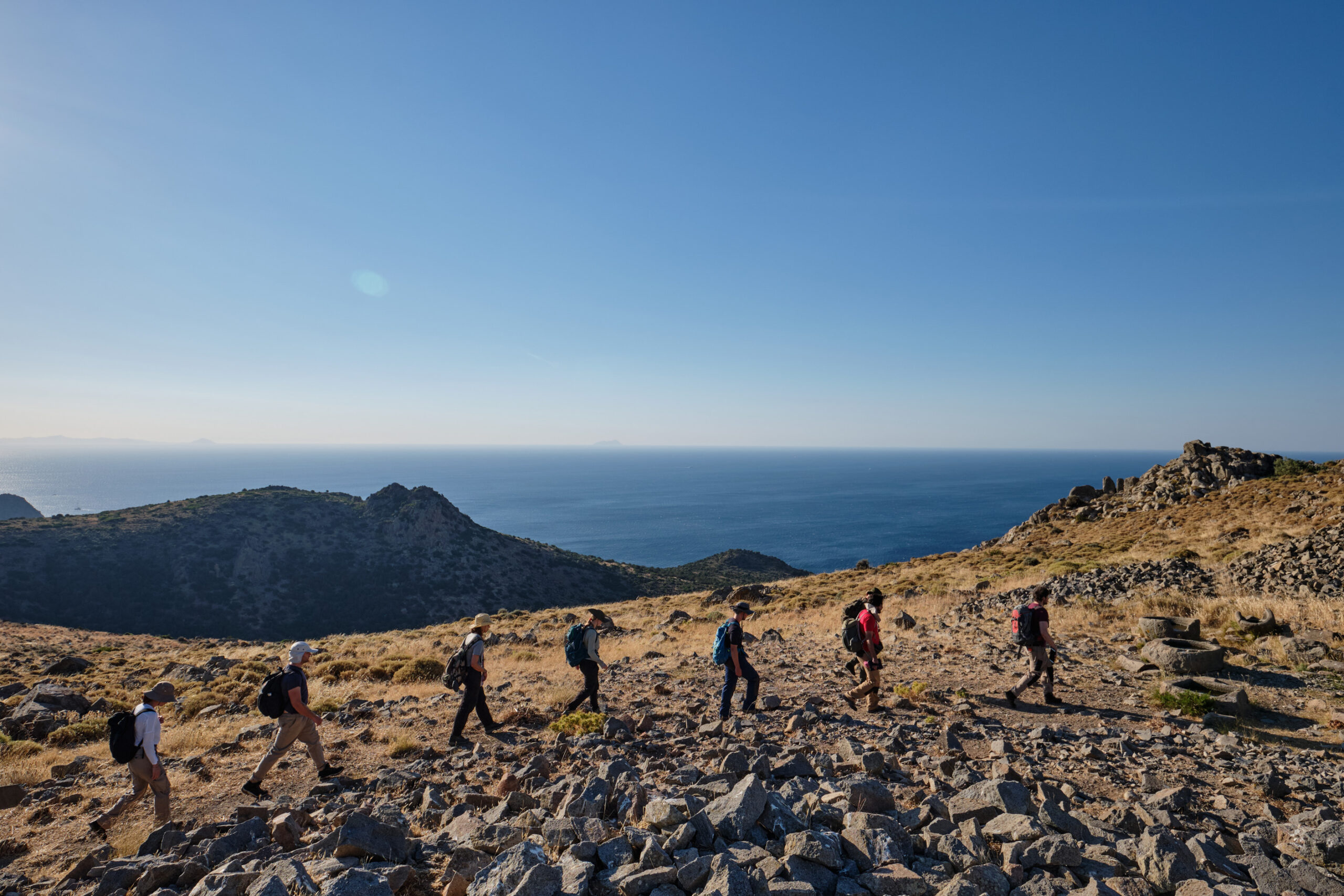
Following the surveys of 2025, the first excavation on the summit of Elatias, on Mount Olympus in Euboea, took place in 2026. The investigations confirmed the existence of a peak sanctuary in use from the Geometric period to the Roman Imperial era, and revealed an exceptionally rich deposit of pottery and animal bones. These results attest to the long-term use of the sanctuary, offer new comparative material for the study of Greek peak sanctuaries, and open new perspectives on the cult practices of the Eretrians.
Eretria-Amarynthos Survey Project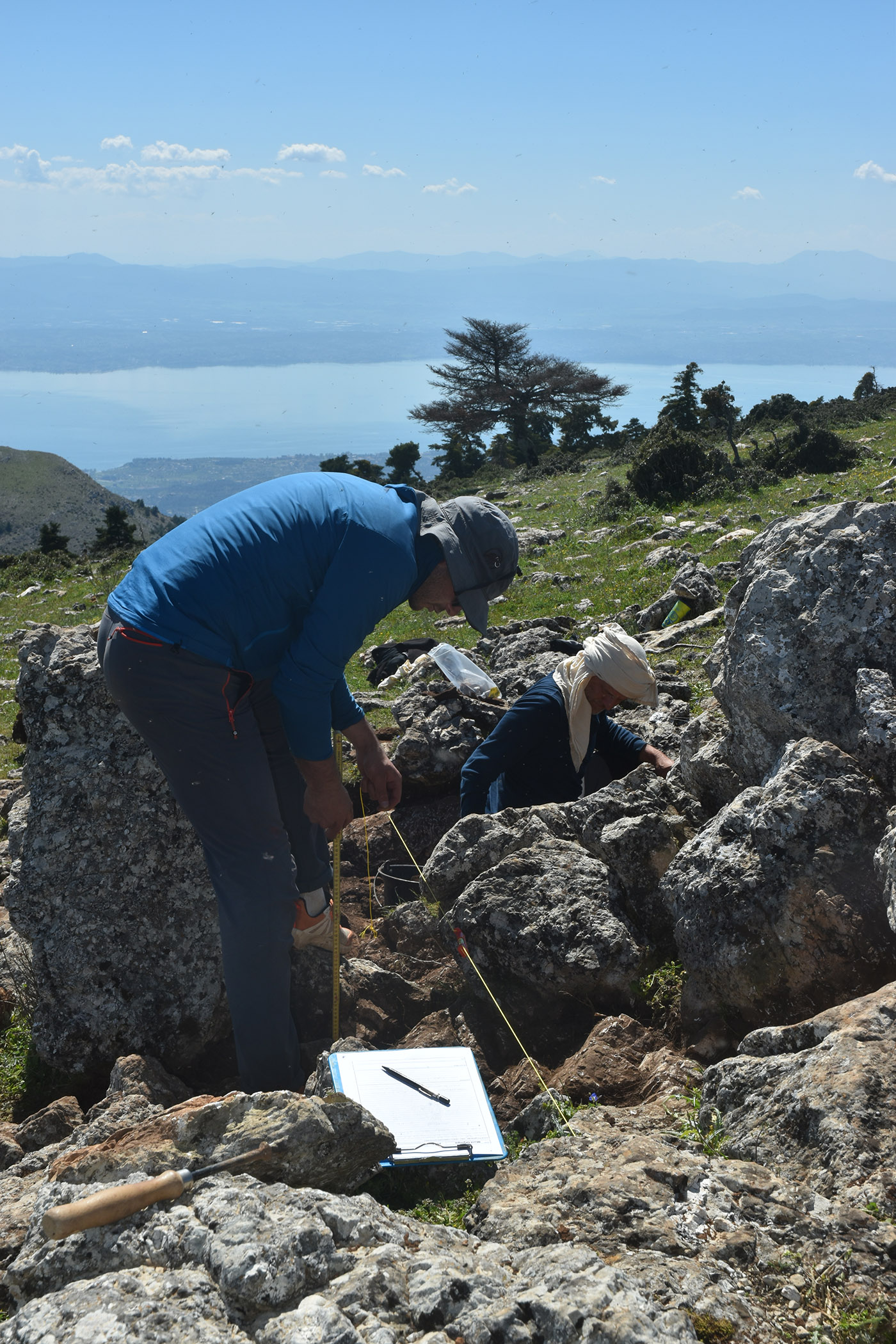
Fieldwork on Mount Hellanion Oros, Aegina
In 2026, the Greek-Swiss project on Hellanion Oros (Aegina) began its second five-year programme, first with the study of the finds from previous years, then with a five-week survey campaign. In total, more than 700 survey units have now been explored in this mountainous and hard-to-access area; more than 350 structures have been recorded and more than 52,000 potsherds counted, bearing witness to intense activity over the last five millennia. The team concentrated mainly on the area south of the mountain, where a dense concentration of Mycenaean pottery was detected at Kato Vodi, and ancient blocks were identified at Kipoi; they probably belong to a small sanctuary of Herakles whose existence was already known from an inscription.
Hellanion Oros Project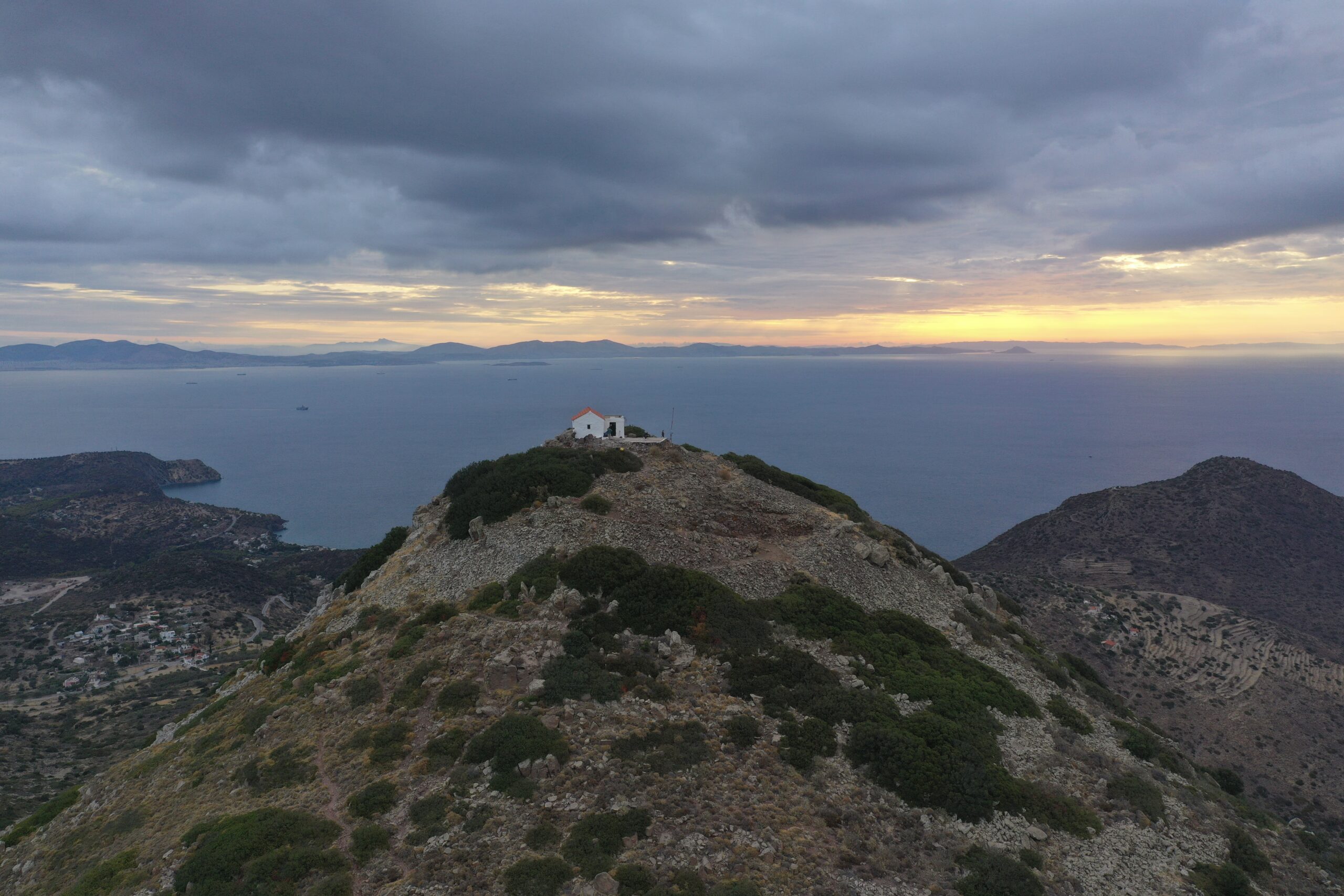
Eretria Harbour Project
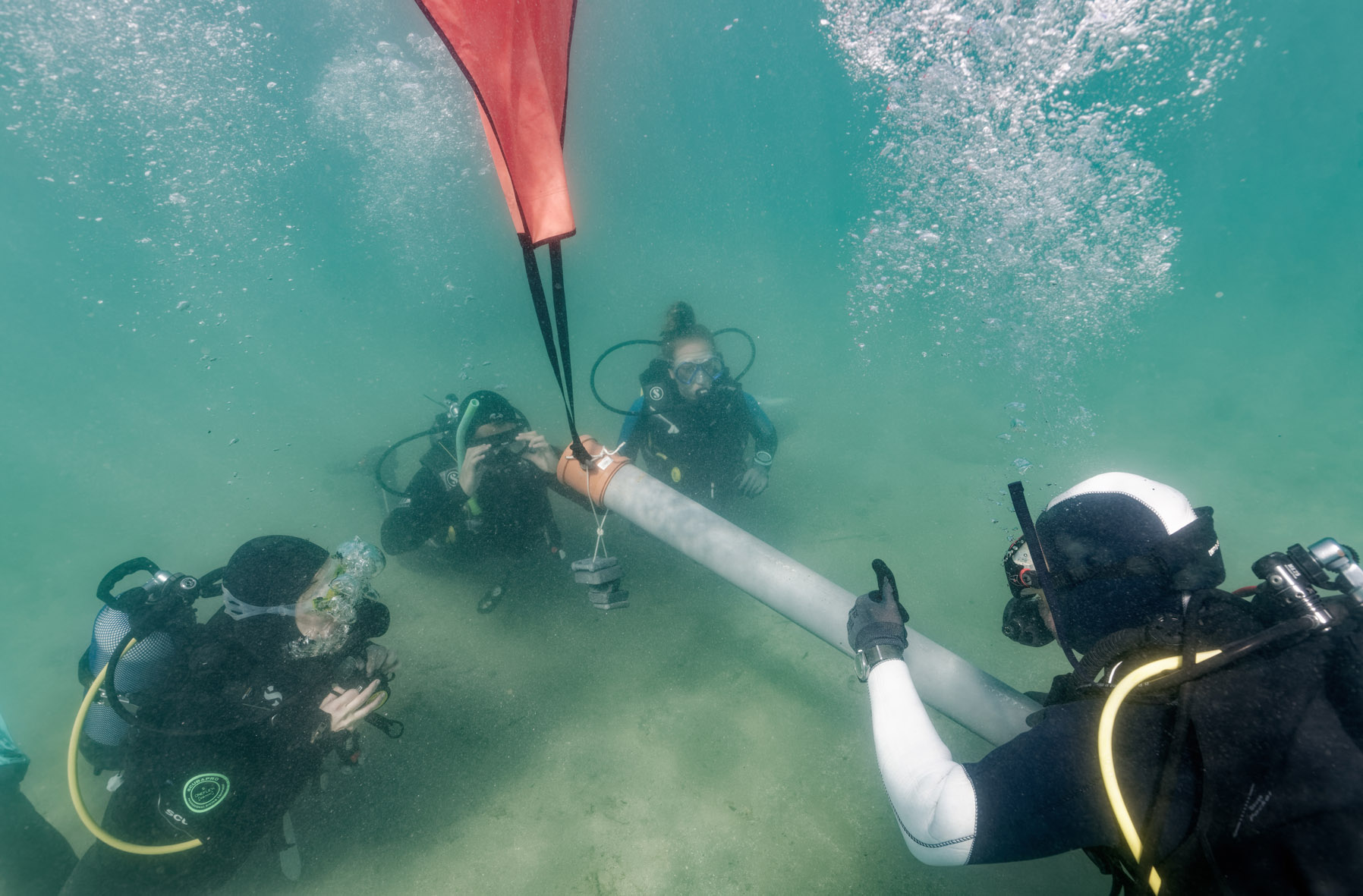
For the third consecutive year, underwater surveys and test excavations have been carried out in the ancient harbour of Eretria. The investigations shed light on the construction techniques of the two large rubble-mound breakwaters, founded on beachrock, and provide evidence of repairs to the dam in the western harbour basin during the Roman Imperial period. The findings reveal a harbour covering 70 hectares, making it one of the largest in the Mediterranean. It was divided into several basins, which future research campaigns will investigate in detail.
Eretria Harbour Project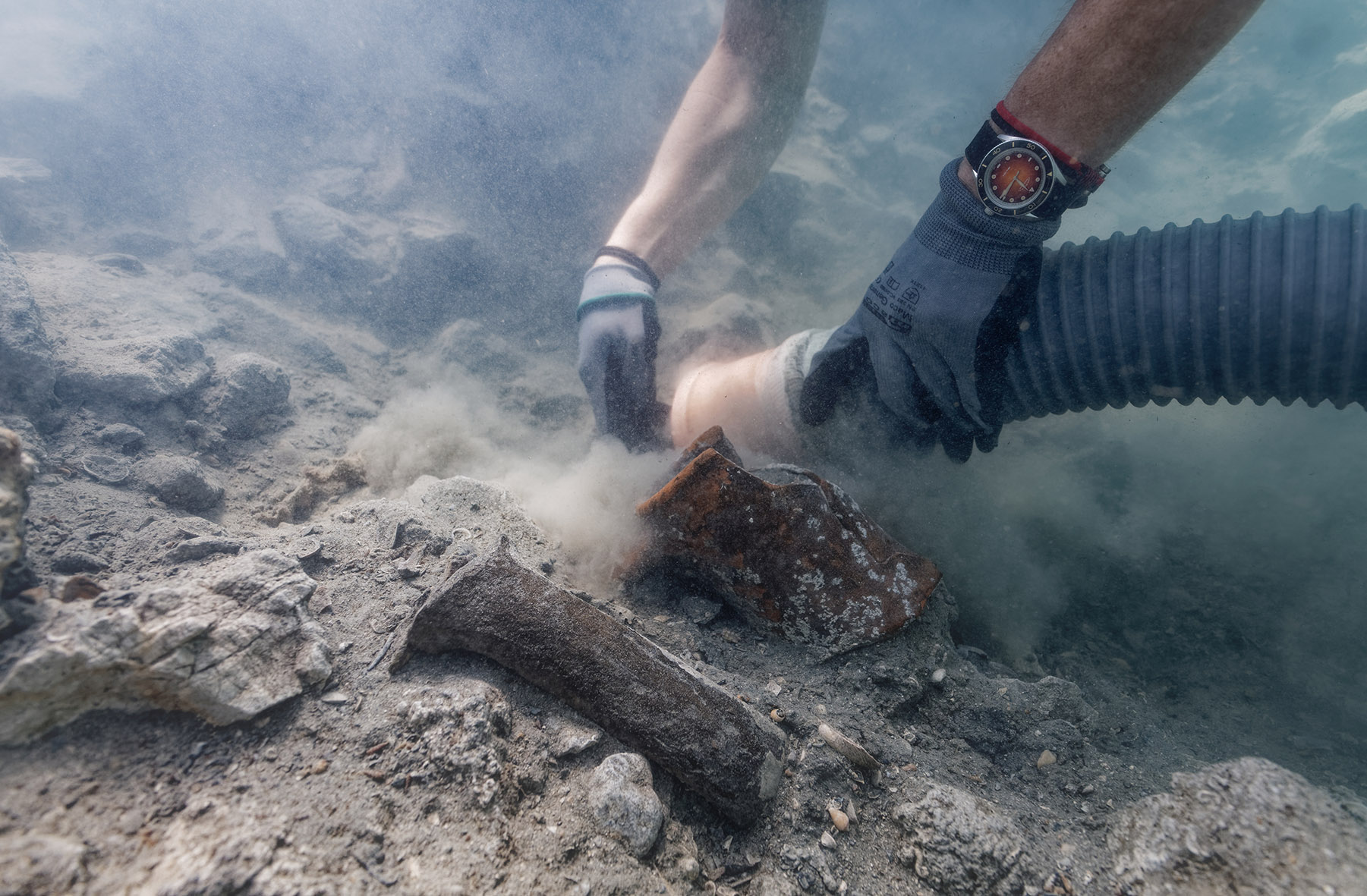

Sylvian Fachard, director of the ESAG
There would not be enough space here to thank all the institutions and individuals who supported the School’s activities. Special mention should be made of the Hellenic Ministry of Culture, the Swiss Confederation, the Swiss National Science Foundation, the University of Lausanne Foundation, the Canton of Vaud, the Evangelos Pistiolis Foundation, the Stavros Niarchos Foundation, the Theodoros Lagonico Foundation, and the Sandoz Family Philanthropic Foundation. We are also very grateful to our partners in Greece for fruitful collaborations in the field and at the museum, particularly Angeliki G. Simosi, Stella Chryssoulaki, and Eleni Sp. Banou.
Acknowledgements
–Hellenic Ministry of Culture, Lina Mendoni
–Directorate of Antiquities in the Greek Ministry of Culture, Olympia Vikatou, Chrystallia Mantzana (Director General)
–Department of Foreign Schools, Konstantina Benisi (Head), Sophia Spyropoulou
–Ephorate of Antiquities of Euboea, Dimitrios Christodoulou (Head), Olga Kyriazi, Stavroula Parissi
–Ephorate of Antiquities of Piraeus and Islands, Anna Vasiliki Karapanayiotou (Head)
–Ephorate of Underwater Antiquities, Dimitris Kourkoumelis (Head)
–Embassy of Switzerland in Greece, HE Stefan Estermann, HE Sonja Hürlimann
–Embassy of Greece in Switzerland, HE Ekaterini Simopoulou
–Municipality of Eretria, Nikos Gournis
–Prefecture of Central Greece, regional district of Euboea, Giorgos Kelaiditis
–Cultural Association of Amarynthos, Grigoris Foustalierakis
–Gerani Association, Kostas Fragoulopoulos
–University of Lausanne, rectorate, deanship of the Faculty of Arts, Juanita Béguin, Antonio Santangelo, Dilek Güngör, Coralie Grossrieder, Patrizia Ponti, Antoinette Nadal
Donors and patrons
–Swiss National Science Foundation
–Federal Department of Economic Affairs, Education and Research
–State Secretariat for Education, Research and Innovation
–Public utility fund of the Canton of Vaud
–University of Lausanne and other Universities in Switzerland
–S. Niarchos Foundation, KIKPE Foundation, Sandoz Family Charitable Foundation, Evangelos Pistiolis Foundation, Isaac Dreyfus-Bernheim Foundation, Foundation of the University of Lausanne, Theodoros Lagonico Foundation, Afendouli Foundation, Ceramica-Stiftung, Vaudoise Academic Society, Pittet Foundation